
 |
|
|
|
|
||||||||||||||||||||
 |
||||||||||||||||||||||||
 |
|
|
|
|||||||||||||||||||||


|
|
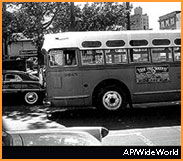
| The bus boycott continues. Slowly but surely the bus company begins to lose money — 75 percent of its riders are black and all have joined the boycott. Nevertheless, the company doesn't change its segregation policies. Executives are convinced that the protesters — who are mostly poor and supporting large families — can't afford to miss work and will be back on the buses soon. |
|
|
To their surprise and dismay, as days turn into weeks, Montgomery's African Americans adjust to finding other means of transportation. Eventually the bus company is forced to cut back on the number of buses serving the city. It also raises the price of a ride from ten to fifteen cents. Because the protesters are now shopping closer to home, the white owners of downtown shops are starting to lose money. Angry and frustrated, some of the white people of Montgomery begin to harass and threaten anyone involved with the boycott. The protesters stay calm, resist using violence, and continue to follow the guidance of their leader, Dr. King. They will fight this battle using nonviolent tactics no matter how much they are provoked. QUESTIONS FOR ROSA PARKS |
|

